Sprouts are packed with nutrients and are typically low-calorie, so you get a lot of bang for your buck, so to speak, when you incorporate them into your daily diet. While there are countless types of seeds you can sprout, I’ve picked 10 of the best seeds for sprouting based on nutrient density, health benefits, and ease of growing. Here are my favorites.
1. Sunflower Sprouts
Sunflower sprouts are the young shoots of sunflower seeds and are packed with key nutrients like vitamin E, zinc, folate, iron, and healthy fats. They have a slightly nutty and crisp flavor and work really well as a topper to salads and sandwiches. They can also be blended up into smoothies for an added boost of nutrients. Sunflower sprouts are known to boost the immune system, reduce inflammation, improve blood pressure and heart health, and aid in wound healing.
Time to sprout: 2 to 3 days
2. Broccoli Sprouts
Broccoli sprouts contain high levels of sulforaphane, which has been linked to numerous health benefits, including immune system support, hormone balance, reduced inflammation, and improved heart health and brain function. Some studies have even found a link between the consumption of broccoli sprouts and the prevention of certain types of cancer. With their high levels of fiber, these sprouts may also aid digestion and promote gut health.
Time to sprout: 3 to 5 days
3. Alfalfa Sprouts
Alfalfa sprouts are rich in vitamins C and K, as well as minerals like calcium and magnesium. These sprouts have a mild, fresh taste and add a crisp texture to your food. Alfalfa is known for its potential to support hormonal balance, particularly in women, due to its phytoestrogen content. It has also been linked to reducing LDL cholesterol, which can support cardiovascular health. The high antioxidant content helps to fight free radicals, potentially reducing the risk of chronic diseases like arthritis and diabetes.
Time to sprout: 4 to 5 days
4. Fenugreek Sprouts
Fenugreek sprouts have a slightly bitter, nutty taste and are commonly used in Indian cuisine. They are packed with fiber, protein, and compounds that support digestion and blood sugar balance. Fenugreek is often used to improve insulin sensitivity, making it beneficial for those managing diabetes or prediabetes. Additionally, its strong anti-inflammatory properties may help to ease joint pain and other symptoms of chronic inflammation.
Time to sprout: 3 to 4 days
5. Wheatgrass
Wheatgrass is rich in chlorophyll, vitamins A, C, and E, amino acids, magnesium, and calcium. Wheatgrass is known to boost red blood cell production, which may increase energy levels. It can also aid in weight loss and blood sugar balance, reduce inflammation, support digestive health, and may even help to prevent certain types of cancer.
I have a delicious and easy wheatgrass shot recipe that doesn’t require any expensive equipment. While you might think the taste of wheatgrass might be unpleasant, I find it enjoyable enough to sip!
Time to sprout: 7 to 10 days
6. Mung Bean Sprouts
Mung bean sprouts are widely used in Asian cooking and are an excellent source of protein, fiber, and antioxidants. They have a mild, slightly crunchy texture and go great in stir-fries, salads, and wraps. Mung beans are known for their ability to support heart health by reducing cholesterol levels and improving circulation. Their high folate content makes them especially beneficial for pregnant women, as folate is essential for fetal development.
Time to sprout: 2 to 4 days
7. Kale Sprouts
Kale sprouts are rich in vitamins A, C, and K, antioxidants, and anti-inflammatory and anticarcinogenic compounds called glucosinolates. These sprouts can also aid in digestion, boost the immune system, and improve heart health. Kale sprouts have a slightly peppery taste, similar to mature kale but with a milder bite. They are somewhat delicate, so they’re best as a topper for salads or inside wraps.
Time to sprout: 5 to 6 days
8. Chia Sprouts
Chia sprouts are packed with omega-3 fatty acids, fiber, and antioxidants and can improve heart health, digestion, and reduce inflammation. Chia sprouts are also high in fiber, making them a great choice for anyone looking to regulate digestion, promote gut health, or maintain stable blood sugar levels. Chia sprouts are also rich in minerals like magnesium and phosphorus, which contribute to energy production, muscle function, and bone strength.
Unlike most sprouts, chia seeds develop a gel-like coating when soaked, so don’t soak them before sprouting. Instead, place them on a damp surface like a paper towel or sprouting tray.
Time to sprout: 4 to 7 days
9. Mustard Sprouts
Mustard sprouts have a bold, spicy flavor and are rich in vitamins A, C, and E. They also have strong antimicrobial properties, which help to fight infections and give the immune system a boost. Mustard sprouts are in the same family (Brassicaceae) as broccoli and kale, so they can impart some of the same health benefits. Additionally, mustard sprouts may help to boost metabolism and aid in weight management.
Time to sprout: 4 to 6 days
10. Beet Sprouts
Beet sprouts are known for their vibrant color and slightly earthy flavor. If you’re looking to add a pop of color to your plate, these are your sprouts. They are high in fiber, iron, folate, and nitrates, making them a great choice for improved heart health and circulation. Nitrates also enhance athletic performance by increasing oxygen efficiency in the muscles, making beets a popular choice among athletes. Additionally, their antioxidant-rich profile helps reduce inflammation and protect against oxidative stress.
Time to sprout: 6 to 10 days
Where to Buy Sprouting Seeds
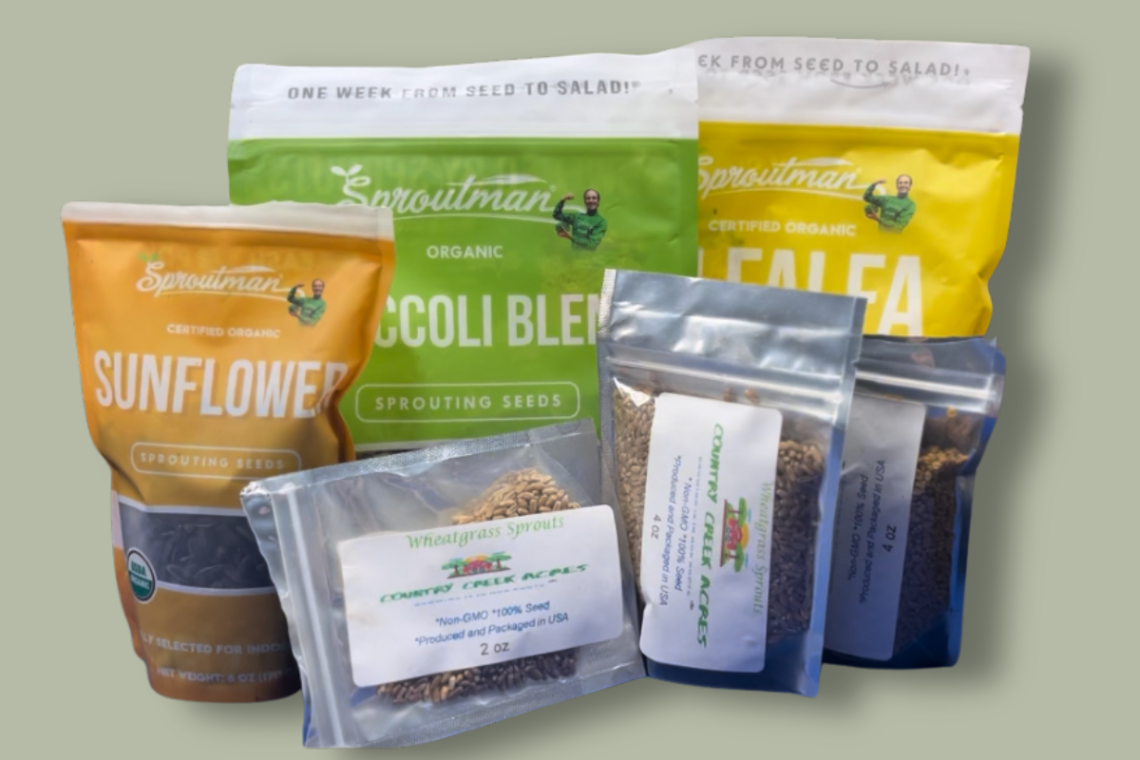
You can buy sprouting seeds at local stores or online. I’ve found a much better selection online, however. I typically buy sprouting seeds from Sproutman.com because they are a trusted source, have a huge selection of just about any seed you could want, and shipping is always fast and hassle-free.
Use caution if buying seeds on Amazon, because I have run into instances when the seeds come from a questionable overseas third-party rather than the brand on the label.
How to Grow Sprouts Indoors
Growing sprouts indoors is simple and requires minimal equipment. You can grow most sprouts in a glass jar with a mesh lid, a sprouting tray, or even on a damp paper towel. For all seeds on this list except chia, follow these general steps to start sprouting:
- Soak the seeds for several hours.
- Rinse and drain them daily.
- Keep in a warm, dark place until they start sprouting.
- Enjoy!